City
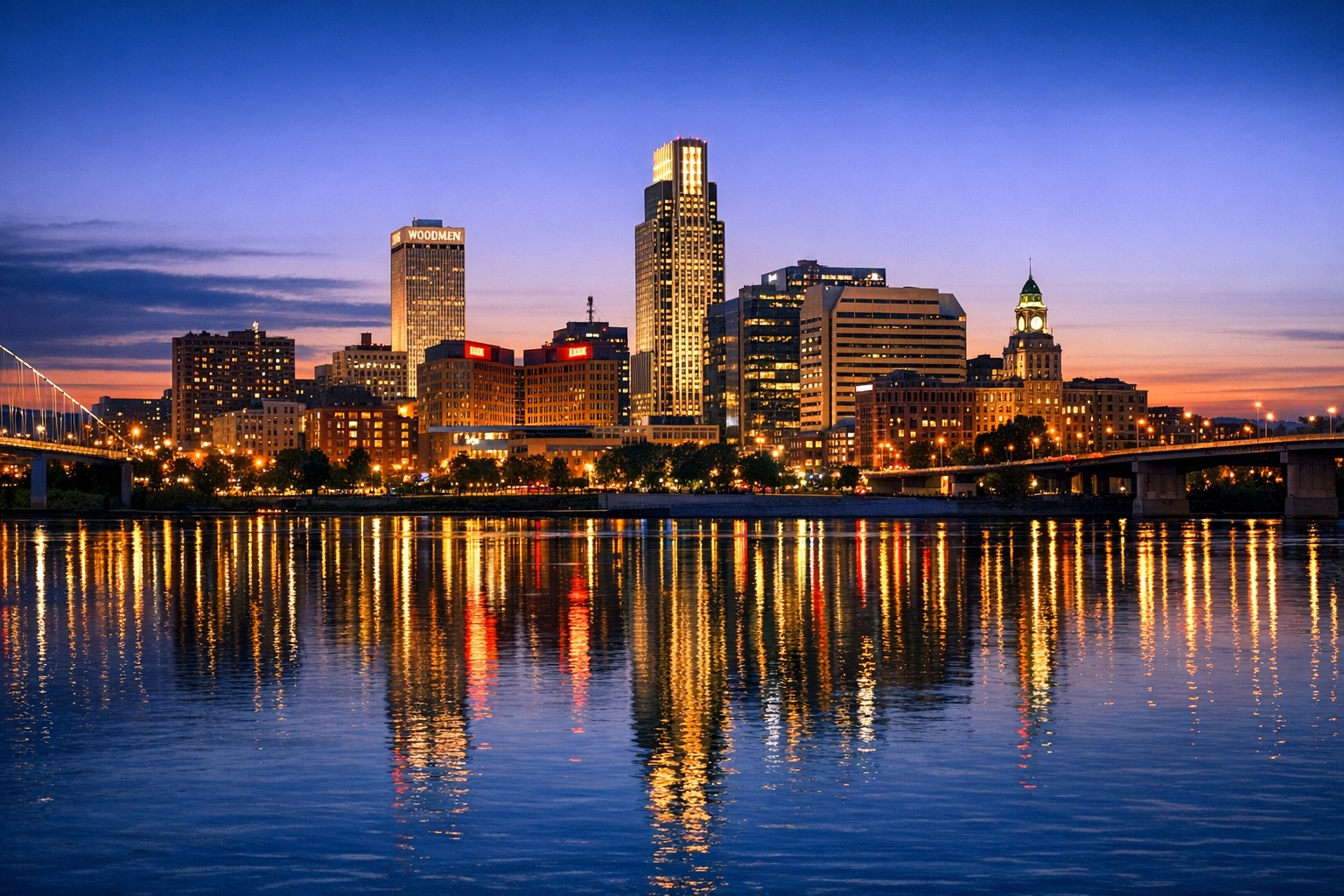
Omaha
Nebraska's largest city dazzles with the world-famous Henry Doorly Zoo, the Old Market entertainment district, vibrant arts venues, and a restaurant scene that puts it on every foodie's map.
Discover Omaha →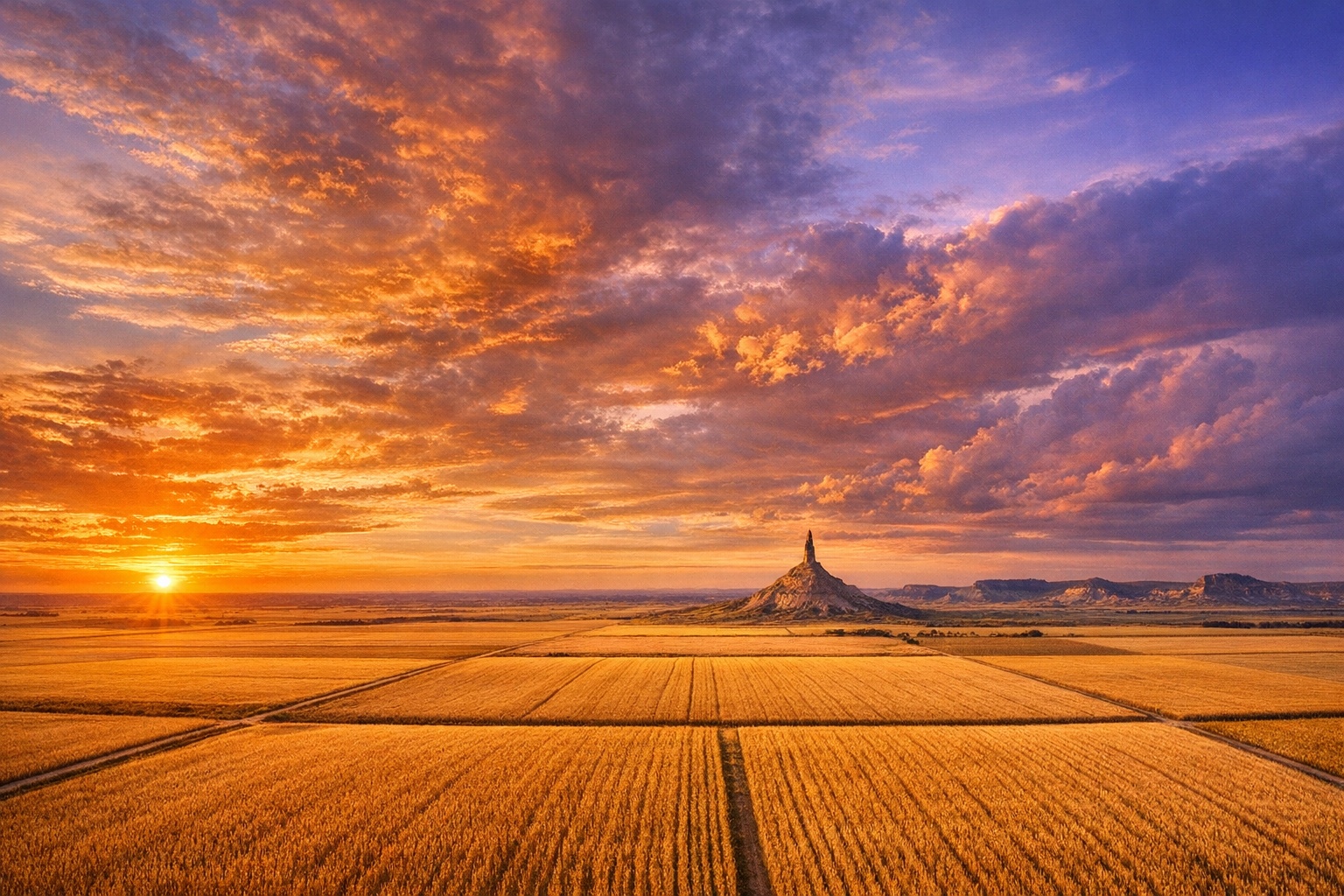
From sweeping Sandhills to buzzing city streets, wild crane migrations to storied pioneer trails — Nebraska offers authentic, unforgettable adventures that few expect and everyone remembers.
Nebraska is America's hidden gem — a vast, soul-stirring landscape where the horizon stretches endlessly, the sky performs nightly light shows, and genuine Midwestern hospitality greets you everywhere you go.
Stretching across 77,358 square miles of America's Great Plains, Nebraska is the 16th-largest state in the nation — and arguably one of the most underrated travel destinations in the country. It is a place where the land itself tells stories: of ancient sea beds that gave rise to the iconic Sandhills, of glacier-carved river valleys where the Missouri and Platte rivers meander, of pioneer wagon ruts still visible after 150 years on the Oregon Trail.
Nebraska's two major cities — Omaha and Lincoln — punch well above their weight on the cultural stage. Omaha boasts one of the world's great zoos, a thriving arts district, James Beard Award-winning restaurants, and a jazz heritage that rivals New Orleans. Lincoln, the state capital, is a college town with serious energy, home to the University of Nebraska Cornhuskers and one of the most enthusiastic football fan bases on the planet.
Beyond the cities, Nebraska rewards the curious traveler with extraordinary natural spectacles. Every spring, the Platte River valley near Kearney becomes ground zero for one of the greatest wildlife migrations on Earth, when nearly half a million sandhill cranes descend from migration routes to rest and feed along the river's braided channels. Scotts Bluff National Monument and Chimney Rock National Historic Site rise dramatically from the plains, monuments both geological and historical that once guided thousands of westward-bound pioneers.
The Nebraska Sandhills — a vast grass-stabilized dune system covering nearly a quarter of the state — offer some of the best dark-sky stargazing in the continental United States. Fort Niobrara National Wildlife Refuge shelters bison and elk in their native grassland habitat. Toadstool Geological Park in the northwest provides an almost lunar landscape of eroded formations that make visitors feel they've stepped onto another planet.
Nebraska is also a state of profound academic and intellectual vitality. The University of Nebraska system, anchored by its flagship campus in Lincoln, stands as a world-class research institution with internationally recognized programs in agriculture, engineering, medicine, and the arts. Creighton University in Omaha has produced generations of leaders in law, medicine, and business. Together, Nebraska's colleges and universities educate over 120,000 students annually and anchor the state's innovation economy.
Whether you come for the wildlife, the history, the food, the festivals, or simply the soul-restoring quiet of an unbroken prairie horizon, Nebraska will give you more than you bargained for — and send you home already planning your return.
Nebraska is the only state in the US with a unicameral (single-chamber) legislature. It is also the birthplace of Arbor Day, the famous tree-planting holiday celebrated worldwide.
From soaring geological landmarks to cosmopolitan city quarters, these iconic destinations define the Nebraska travel experience.
Nebraska's largest city dazzles with the world-famous Henry Doorly Zoo, the Old Market entertainment district, vibrant arts venues, and a restaurant scene that puts it on every foodie's map.
Discover Omaha →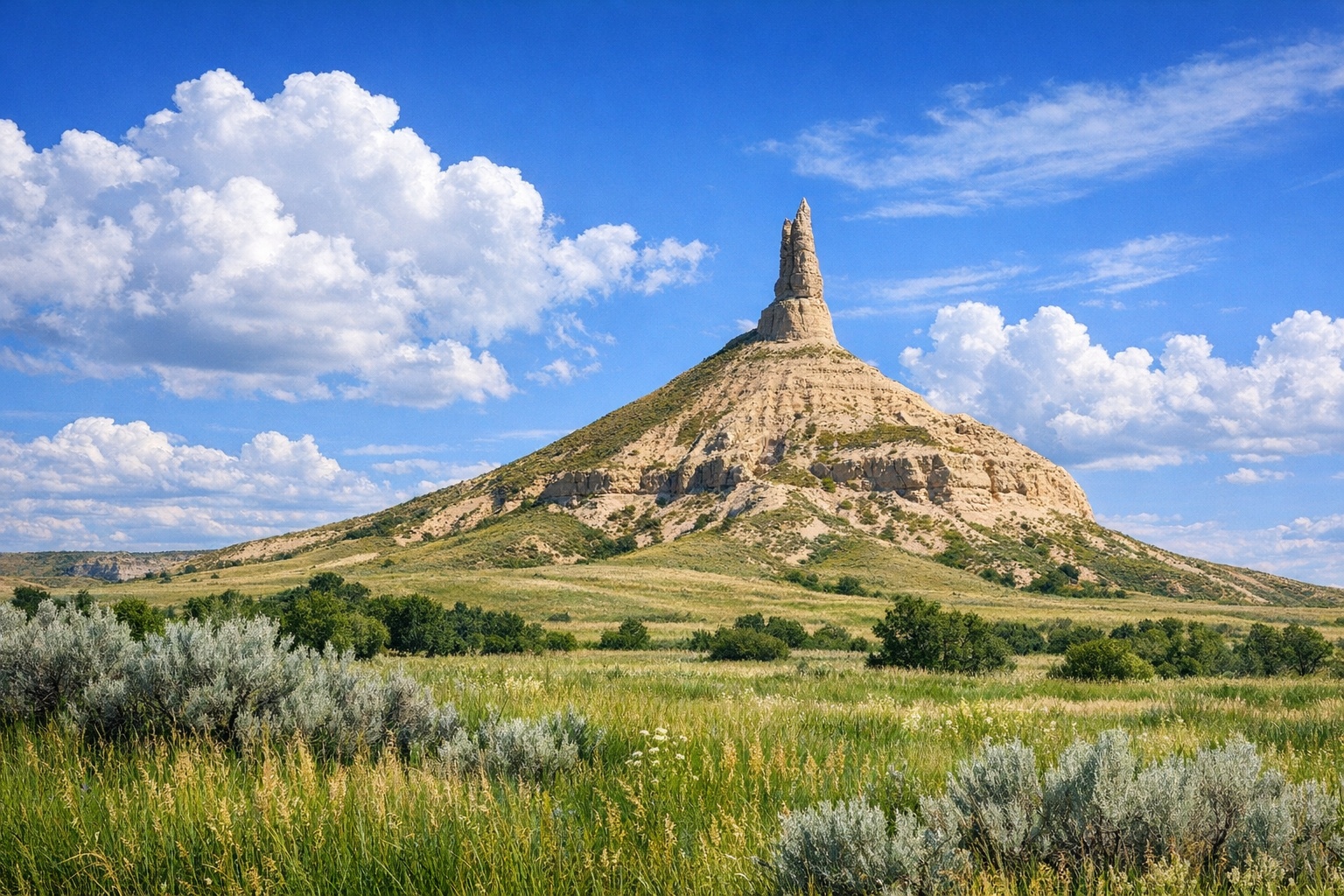
The most recognized natural landmark on the Oregon Trail, Chimney Rock's dramatic spire rises 325 feet above the plains, serving as a beacon for pioneers and travelers alike since the 1800s.
Explore Chimney Rock →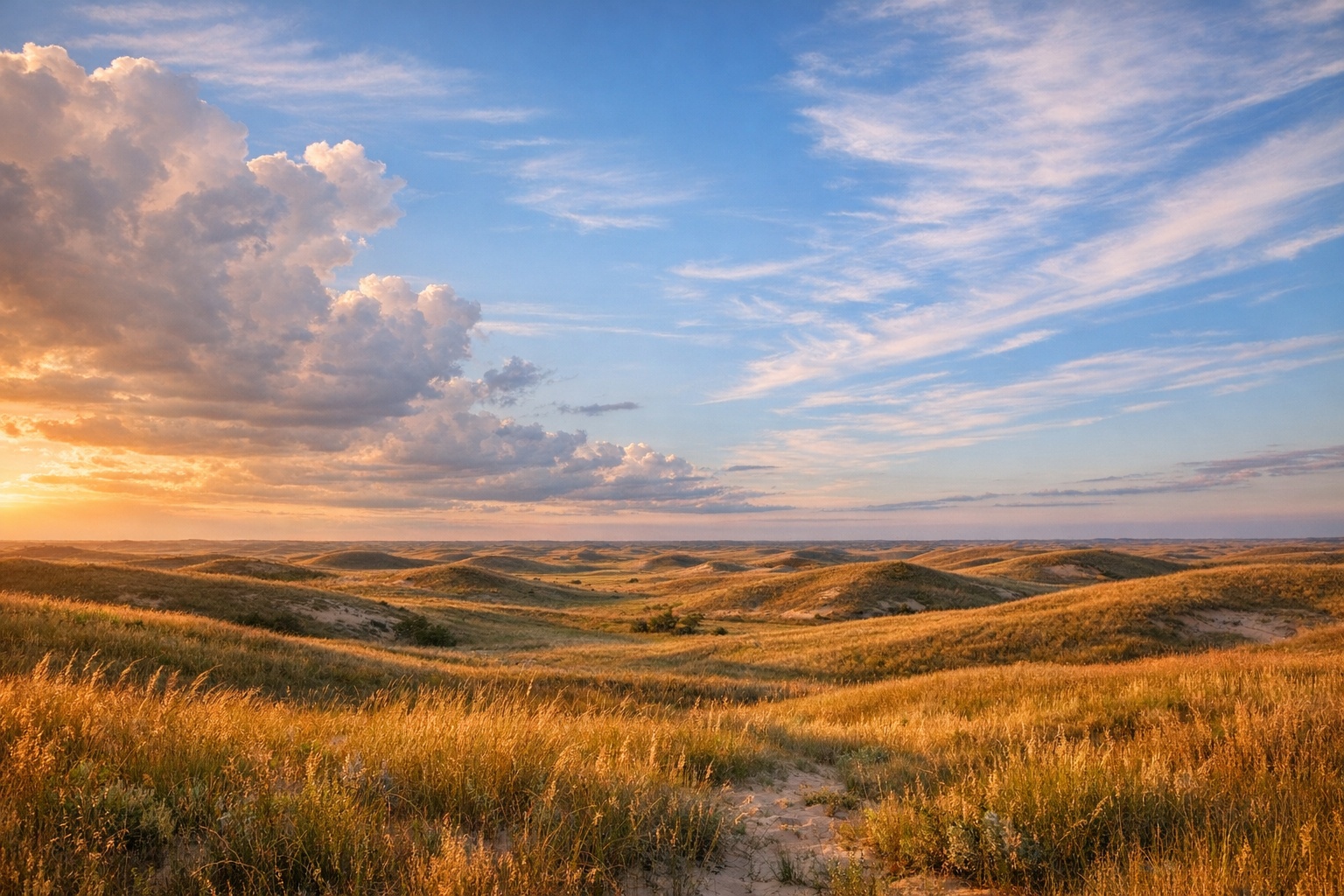
Covering nearly 20,000 square miles, the Nebraska Sandhills are a magical world of grass-covered dunes, sparkling lakes, and pristine dark skies — the perfect escape from modern life.
Visit the Sandhills →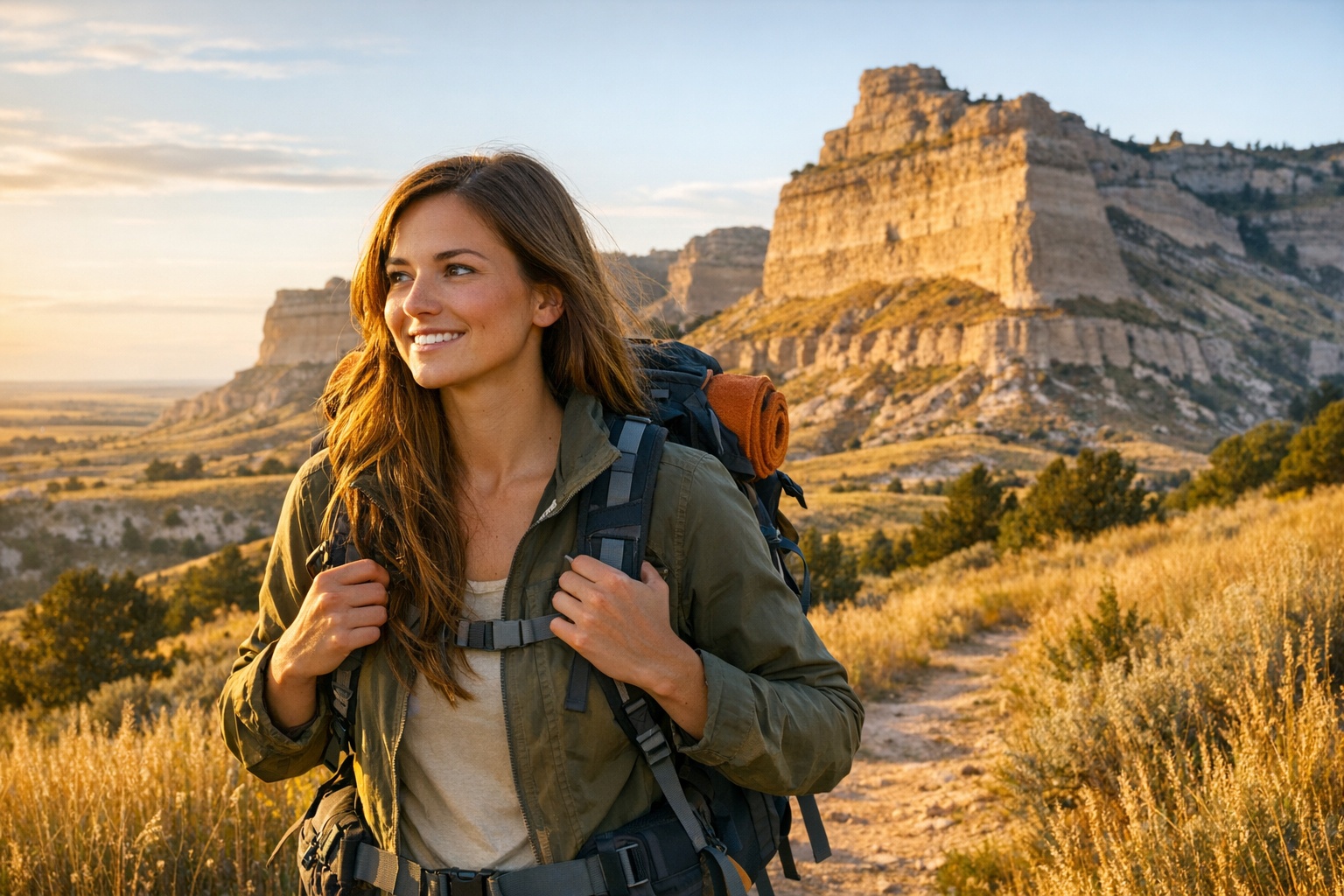
Nebraska offers some of the most rewarding outdoor experiences in the Great Plains region. Whether you're a seasoned hiker, birding enthusiast, cyclist, or simply someone who craves fresh air and solitude, the state's diverse landscapes deliver.
Scotts Bluff National Monument features 6 miles of trails that climb through ancient geological formations — once used as landmarks by Lewis and Clark and later by tens of thousands of Oregon Trail emigrants. The summit rewards hikers with 360-degree panoramas that stretch far into Wyoming and Colorado on clear days.

Nebraska consistently surprises visitors who arrive expecting only farmland. The state is home to world-ranked cultural and entertainment institutions that rival any metropolitan area in the country.
The Henry Doorly Zoo and Aquarium in Omaha is regularly ranked among the top zoos in the world, featuring the world's largest indoor desert, the world's largest glazed geodesic dome, an immersive jungle canopy walk, and a 70-foot-long shark tunnel. It draws over 1.5 million visitors annually.
A closer look at Nebraska's geography, history, culture, and what makes it one of the most compelling travel destinations in the American heartland.
Nebraska sits at the geographic heart of the North American continent, bordered by South Dakota to the north, Iowa and Missouri to the east, Kansas to the south, and Colorado and Wyoming to the west. The state spans three major geographic regions: the Dissected Till Plains in the east, the Great Plains in the central region, and the High Plains in the west.
The Missouri River forms the eastern boundary with Iowa and Missouri, while the Platte River — meaning "flat" in French — bisects the state east to west and has served as a natural highway for both wildlife and human migration for millennia. Lake McConaughy on the North Platte River is Nebraska's largest reservoir and one of the region's premier recreation destinations, covering over 35,000 acres with 105 miles of sandy shoreline.
Western Nebraska rises dramatically, with Scotts Bluff County reaching elevations over 5,000 feet and offering views of the distant Rocky Mountains on clear days. This topographic variety — from the flat eastern croplands to the rolling Sandhills to the rugged badlands of Toadstool Park — gives Nebraska a geographic range that continually surprises visitors expecting a monolithic landscape.
Nebraska's human history stretches back over 10,000 years. Long before European exploration, the Great Plains supported thriving cultures of the Pawnee, Omaha, Ponca, Lakota, Cheyenne, and Arapaho peoples, among many others, whose relationship with the land shaped the ecology and culture of the region in profound ways.
The Lewis and Clark Expedition passed through Nebraska in 1804 and 1806, meticulously documenting the landscape, flora, fauna, and Native peoples they encountered. Their journals remain primary historical documents of incalculable value. By the 1840s, Nebraska had become a critical corridor of westward migration, with the Oregon, California, and Mormon Pioneer trails all following the Platte River valley through the territory.
Nebraska achieved statehood on March 1, 1867 — just two years after the Civil War ended — becoming the 37th state. The arrival of the transcontinental railroad transformed the territory almost overnight, spurring the growth of cities, the collapse of the buffalo herds, and massive agricultural settlement. By the early 20th century, Nebraska had become one of the nation's leading agricultural states, a position it maintains to this day.
The Dust Bowl of the 1930s tested Nebraska's resilience severely, forcing many families off the land and reshaping rural communities. Yet the state rebuilt, diversified its agricultural economy, and developed robust industries in insurance, finance, food processing, and technology that now underpin a thriving 21st-century economy.
Nebraska's culinary scene is built on foundations of extraordinary beef, corn, and pork, but it has evolved far beyond its agrarian roots into a sophisticated and diverse food culture. Omaha is particularly celebrated — the city produced some of the country's finest steakhouses and continues to attract national attention for its restaurant innovation.
The Old Market district in Omaha is ground zero for Nebraska's food revolution, with dozens of independent restaurants, wine bars, craft cocktail lounges, and specialty food shops filling beautifully restored late-19th-century brick buildings. Lincoln's Haymarket district offers a similar energy — a vibrant mix of farm-to-table restaurants, breweries, coffee roasters, and artisan food producers.
Nebraska's Czech and German immigrant heritage has left a delicious culinary legacy as well. Wilber, known as the Czech Capital of Nebraska, hosts the National Czech-Slovak Museum and countless bakeries producing traditional kolache pastries. Wahoo, Clarkson, and other Bohemian-heritage communities maintain food traditions brought by their ancestors generations ago.
Nebraska experiences a continental climate with four distinct seasons, each offering its own particular travel rewards. Summers (June–August) are warm to hot, with temperatures typically ranging from the mid-70s to mid-90s°F, occasionally exceeding 100°F. This is the prime season for Lake McConaughy, state parks, and outdoor festivals.
Autumn (September–November) brings spectacular foliage, particularly along river corridors and in the eastern part of the state. Temperatures moderate pleasantly, and harvest festivals celebrate Nebraska's agricultural heritage in communities across the state. The Nebraska State Fair, held in Grand Island each August/September, draws over 300,000 visitors and is one of the state's premier annual events.
Winter (December–February) can be severe in western Nebraska, with significant snowfall and wind chills, but Omaha and Lincoln maintain active year-round cultural calendars with theater, museum exhibitions, and indoor attractions. Spring (March–May) is crane migration season — the single most spectacular natural event in the state's calendar — when the Platte River valley near Kearney comes alive with the thunderous noise and sky-darkening numbers of half a million sandhill cranes.
Most visitors to Nebraska arrive by air into Eppley Airfield in Omaha (OMA) or Lincoln Airport (LNK), both served by major carriers. Interstate 80 stretches the full east-west length of the state, providing excellent access to all major cities and landmarks. US Highway 20 and US Highway 26 traverse the northern and Panhandle regions respectively, offering scenic alternatives to the interstate.
A car is essentially essential for exploring Nebraska beyond its two major cities, particularly for reaching the Sandhills, the western Panhandle, and the Niobrara River valley. Rental cars are readily available in Omaha and Lincoln. The Great Plains Trail and several other long-distance cycling routes offer adventurous alternatives for those who prefer to travel under their own power.
Within Omaha, the Metro Area Transit (MAT) bus system provides adequate coverage of major destinations, and rideshare services operate throughout both Omaha and Lincoln. The cities are also increasingly bicycle-friendly, with expanding networks of protected lanes and multi-use paths along major waterways and parks.
Nebraska offers accommodations at every price point and style. Omaha and Lincoln feature full ranges of international hotel brands, boutique hotels in historic buildings, and vacation rentals throughout their walkable neighborhoods. Budget travelers will find Nebraska exceptionally accessible — hotel rates average 20–30% lower than comparable rooms in coastal cities.
For the full Nebraska experience, consider staying at one of the state's unique lodging options: a working cattle ranch in the Sandhills that accepts guests, a historic bed and breakfast along the Oregon Trail corridor, a lakeside cabin at Lake McConaughy, or a modern eco-lodge near the Niobrara River. These experiences connect visitors directly with the landscapes and communities that define the state's authentic character.
State park camping is excellent and affordable throughout Nebraska, with well-maintained facilities at parks like Ponca, Chadron, and Fort Robinson. For those who love the outdoors, Nebraska's state park system offers some of the best camping value in the entire Midwest at rates far below equivalent facilities in neighboring states.
"Nebraska is the hardest state to see properly — not because it is large or difficult, but because it rewards patience and rewards it extravagantly."— Midwest Travel Writers Association
Nebraska is home to a remarkable collection of higher education institutions that attract students and researchers from around the world. From the flagship University of Nebraska to prestigious private universities, academic life is central to the state's identity.
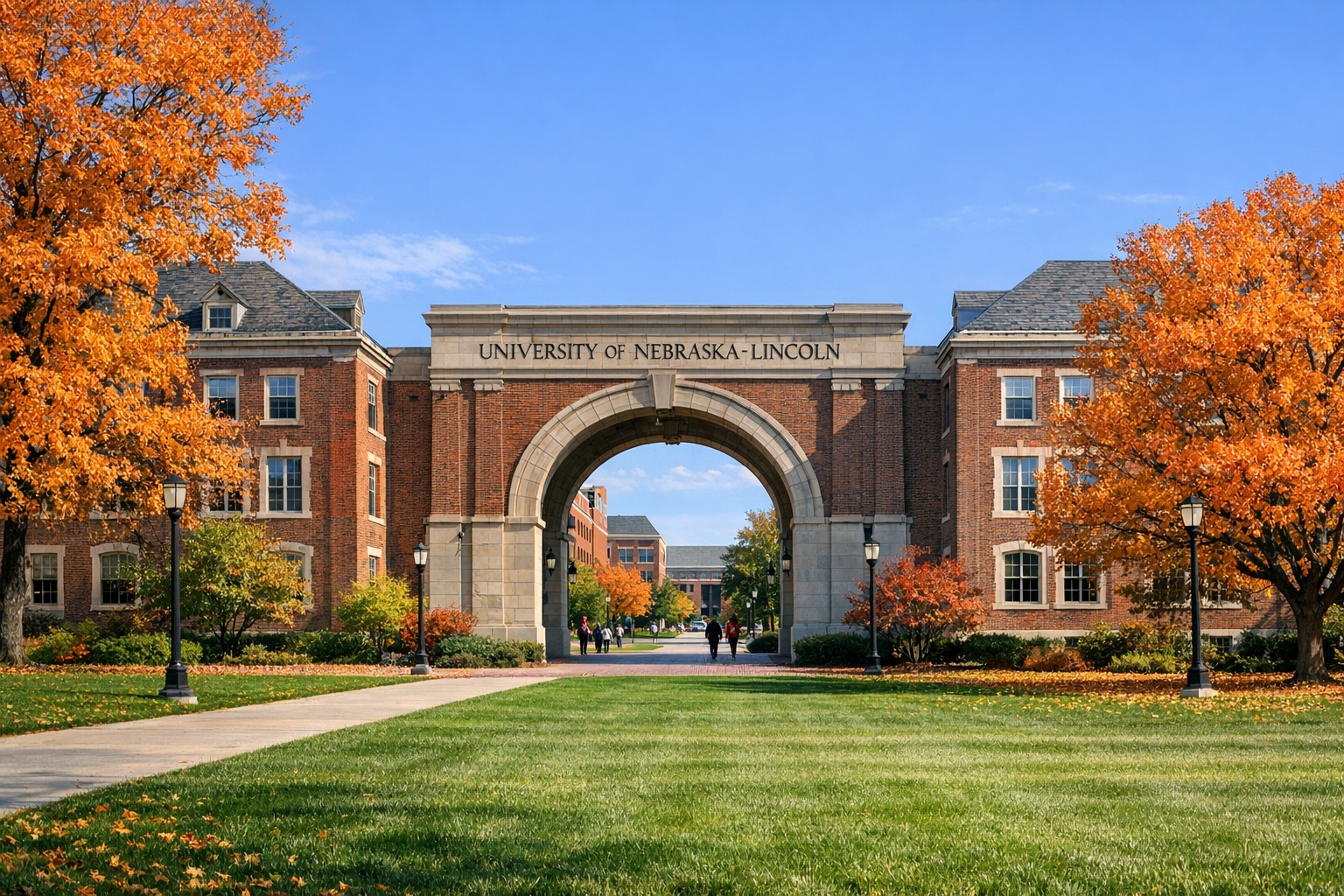
Nebraska's flagship land-grant research university, home to 25,000+ students, a nationally ranked engineering college, and the legendary Cornhusker football program.
Learn More →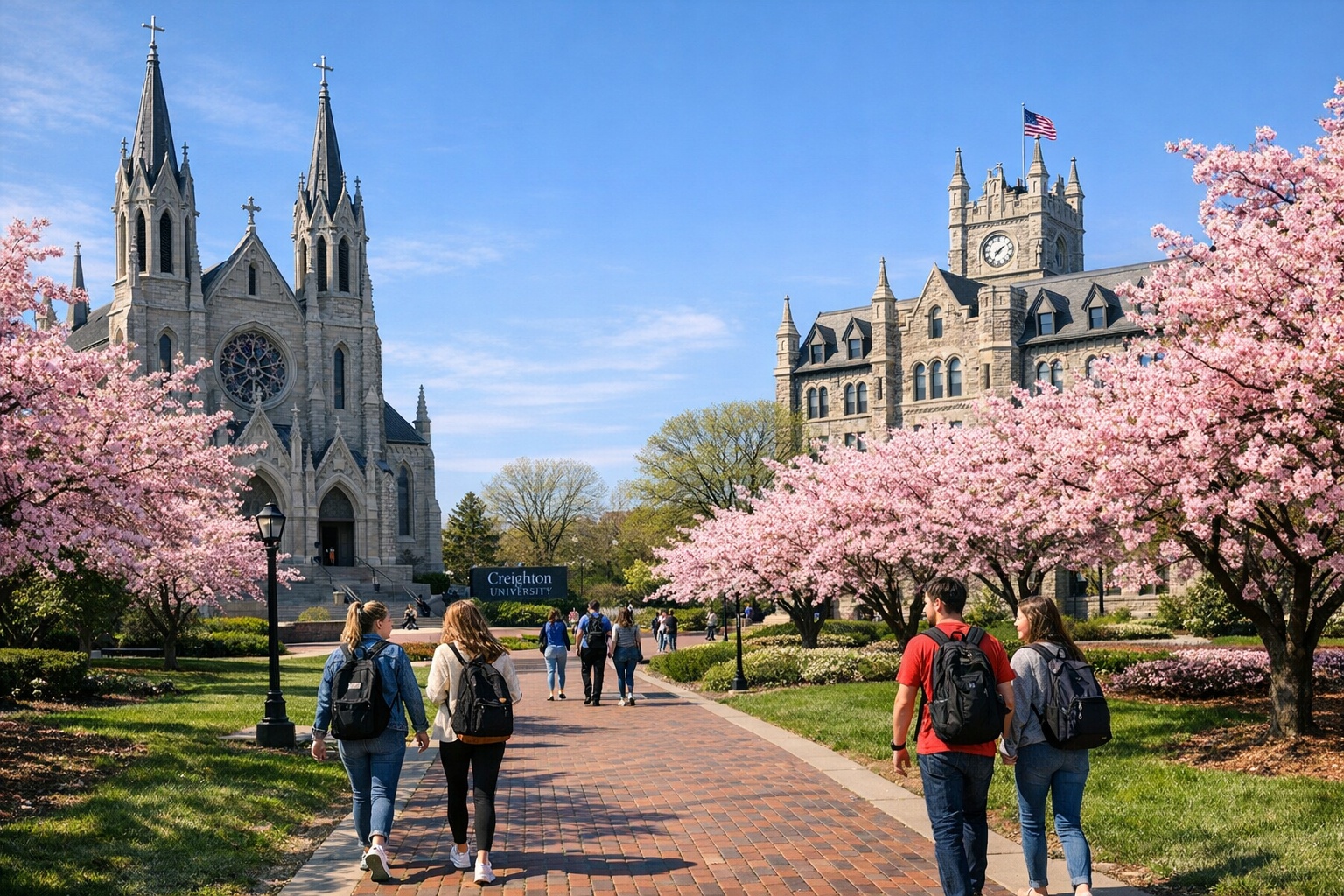
A distinguished Jesuit university in Omaha offering exceptional programs in medicine, law, business, and the liberal arts — consistently ranked among the top Midwest universities.
Learn More →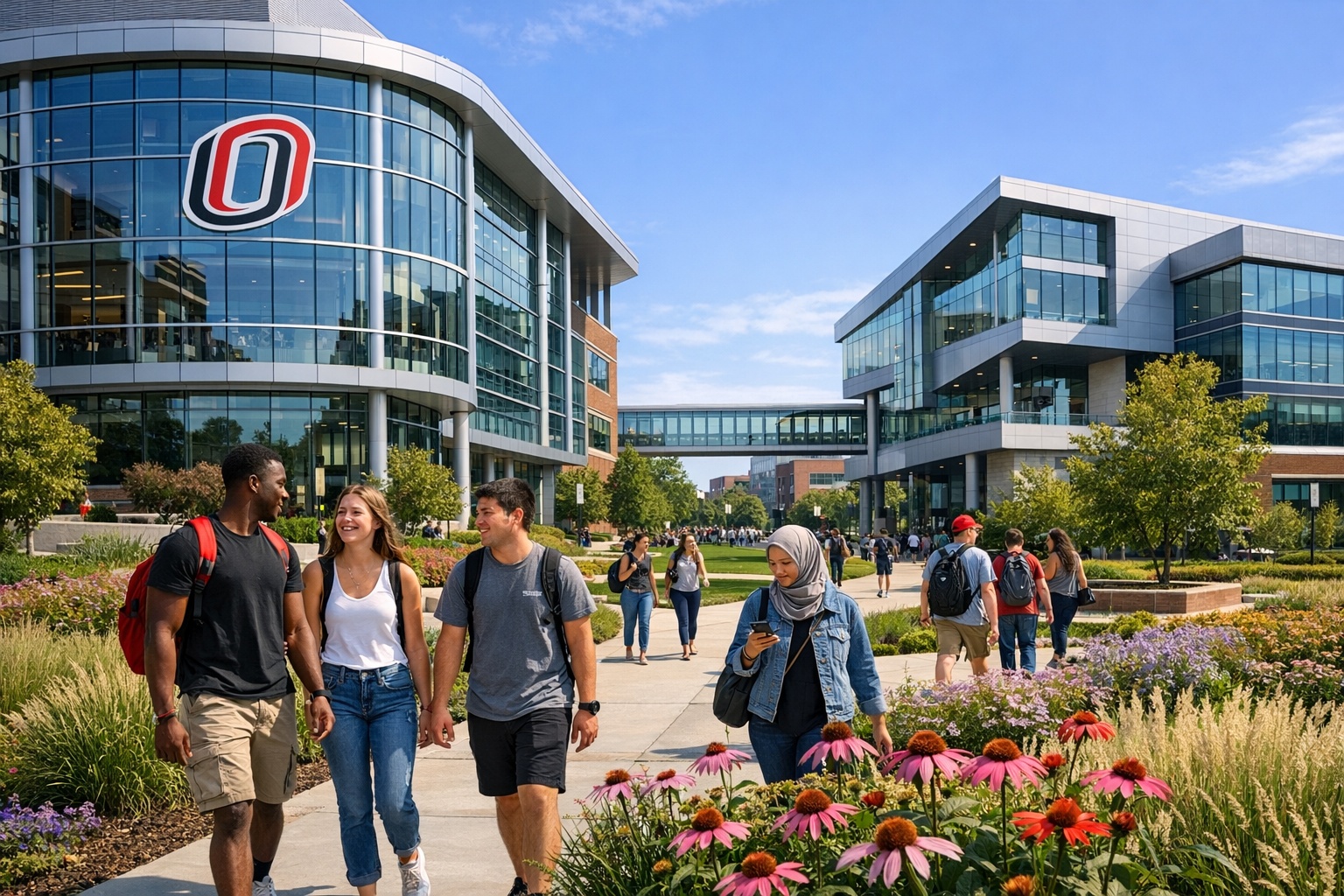
A thriving metropolitan university serving 15,000+ students with forward-thinking programs in cybersecurity, business, education, and public administration.
Learn More →Make the most of your Nebraska trip with these practical insider insights from experienced travelers and locals.
Spring (March–May) for crane migration. Fall (Sept–Oct) for festivals and foliage. Summer for lakes and parks. Each season has its own magic.
Nebraska's best experiences are spread across a big state. A rental car gives you the freedom to explore Sandhills, Panhandle, and river valleys on your own schedule.
Nebraska sits in Tornado Alley. From May through August, monitor NOAA alerts. Storms are dramatic but manageable with simple awareness and preparation.
Nebraska produces some of the world's best beef. Don't leave without a proper steakhouse meal in Omaha — you won't find better beef anywhere in the country.
Head to the Sandhills or the Panhandle for some of America's most spectacular stargazing. The Milky Way is visible to the naked eye on clear nights.
A Huskers football game at Memorial Stadium is one of the most electric sporting experiences in America — over 90,000 fans in a sea of red every home game.